The Engineer’s Guide to Micro and Mini Linear Piezo Stages: Principles, Performance, and Integration
Reading time: 9 min
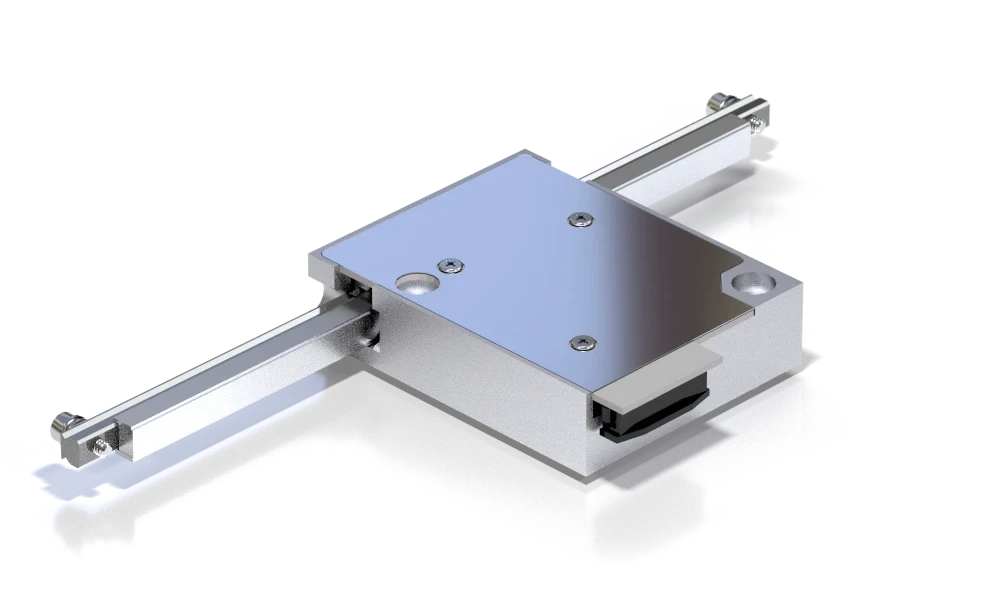
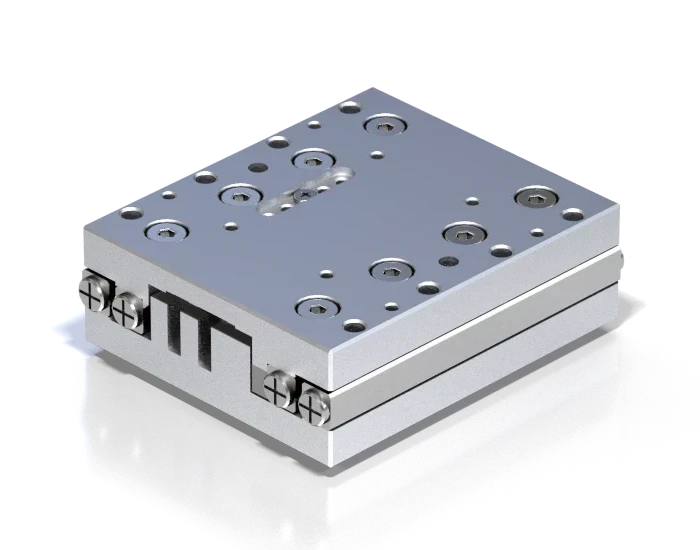
Micro and mini linear piezo stages provide precise linear motion in applications where space, speed, and positioning accuracy are critical. They are commonly used in fields such as photonics, microscopy, semiconductor equipment, and laboratory automation.
This article explains how compact linear piezo stages work, the performance characteristics that matter, and how they are used in precision positioning systems.
Looking for a compact piezo linear stage for your application?
Xeryon’s linear stages combine high speed, sub-micron positioning, long travel, and direct-drive stability for OEM instruments and advanced automation systems.
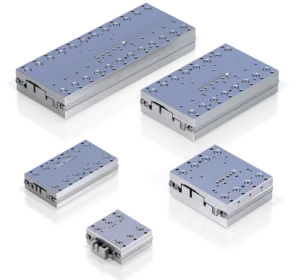
What is a Micro / Mini Linear Piezo Stage?
 A micro or mini linear piezo stage is a small positioning device that moves an object in a straight line with very high accuracy. It uses piezoelectric technology to turn electrical signals directly into precise mechanical motion, allowing movement down to the micrometer or nanometer level.
These stages are designed for space-limited systems where traditional motorized stages are too large or too complex. Instead of focusing on long travel distances, micro and mini piezo stages prioritize compact size, fast response, and stable positioning.
What Makes a Stage “micro” or “mini”?
While there is no strict industry-wide size definition, micro and mini linear piezo stages are generally characterized by:
- Compact form factors, often only a few centimeters in length.
- Low moving mass, enabling fast dynamic response.
- Short to moderate travel ranges, typically from micrometers to a few millimeters.
- High positioning precision, often down to nanometer-level resolution.
These characteristics make them particularly suitable for embedded OEM systems where traditional linear stages would be too large or mechanically complex.
Stage vs Actuator: Why is it an Important Distinction?
A linear piezo stage differs from a linear piezo actuator in that it integrates additional mechanical and functional elements beyond the motion-generating component. A micro or mini linear piezo stage typically includes:
- A guided mechanical structure to constrain motion to a single linear axis.
- Defined mounting interfaces for system integration.
- Load handling and stiffness optimized for precision positioning.
- Optional feedback components such as encoders or sensors.
In contrast, a piezo actuator on its own provides motion but relies on external guidance and structure supplied by the system designer.
What are the Typical Use Cases for these Linear Piezo Stages?
Micro and mini linear piezo stages are used in applications where precise linear positioning must be achieved within tight spatial and performance constraints.
Common use cases include:
- Optical alignment and beam positioning.
- Sample scanning and fine positioning in microscopy.
- Precision adjustment in semiconductor and photonics equipment.
- Compact positioning modules in laboratory and analytical instruments.
In these applications, the combination of small size, high precision, and fast response is often more important than long travel range or high continuous speed.
How do Linear Piezo Stages Work?
Linear piezo stages generate motion by converting electrical energy directly into very small mechanical movements using the piezoelectric effect. When a voltage is applied to a piezoelectric material, it changes shape slightly. By controlling this deformation precisely, piezo-based systems can create accurate and repeatable linear motion.
Because the movement produced by a single piezo element is very small, linear piezo stages use different mechanical and control principles to achieve useful travel ranges while maintaining high precision.
What are the Piezoelectric motion fundamentals?
At the core of every piezoelectric linear stage is a piezoelectric ceramic element, often referred to as a PZT element, which is sometimes also referred to as PZT Stages. When an electrical signal is applied:
- The ceramic expands or contracts by a tiny amount.
- The direction and magnitude of motion depend on the applied voltage.
- The response is immediate, with no mechanical delay.
This direct electrical-to-mechanical conversion enables very fine motion control, high stiffness, and excellent repeatability. Since there are no gears or rotating parts, backlash and mechanical play are inherently minimized.
What are the Common Types of Linear Piezo Stages?
To turn the small motion of a piezo element into practical linear travel, several operating principles are used. The most common ones are ultrasonic, stack-based, piezo walk drives, and inertial or stick-slip mechanisms. Each approach balances travel range, speed, precision, and control complexity differently.

Ultrasonic Piezo Stages:
Ultrasonic systems use high-frequency vibrations to generate continuous linear motion through frictional contact. By carefully controlling vibration patterns, the stage produces smooth movement with relatively long travel ranges, high speed, and strong holding force when powered off, in most motor designs, and depending on preload.

Stack-Based Piezo Stages:
Piezo stack stages rely on the direct expansion of stacked piezo elements. They offer extremely high resolution and stiffness but are typically limited to very short travel ranges. These stages are often used for fine positioning rather than longer translation.
Stick-Slip (inertial) Piezo Stages:
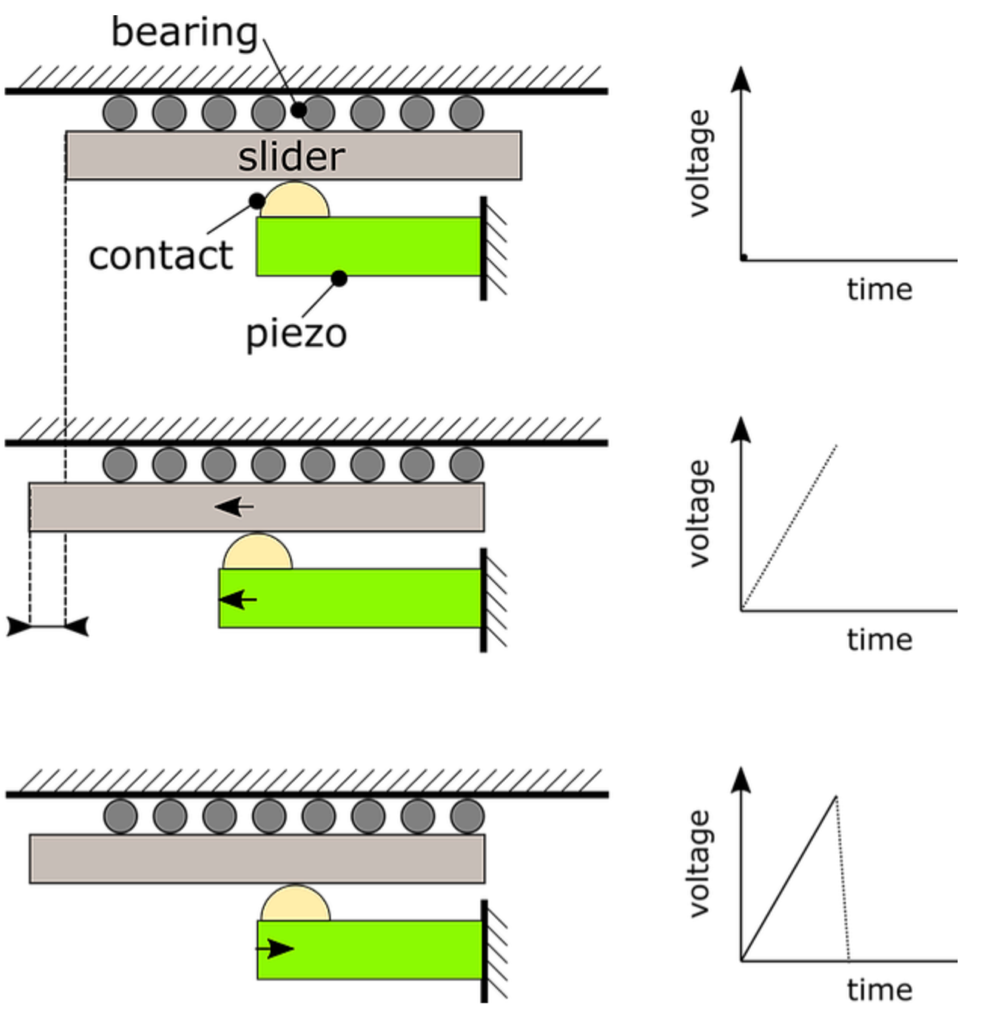
Stick-slip piezo stages move by alternating between slow piezo expansion and rapid contraction. This creates small stepwise motion over longer distances. They are compact and precise, but usually less smooth and slower than ultrasonic stages.
Piezo-Walk Stages:
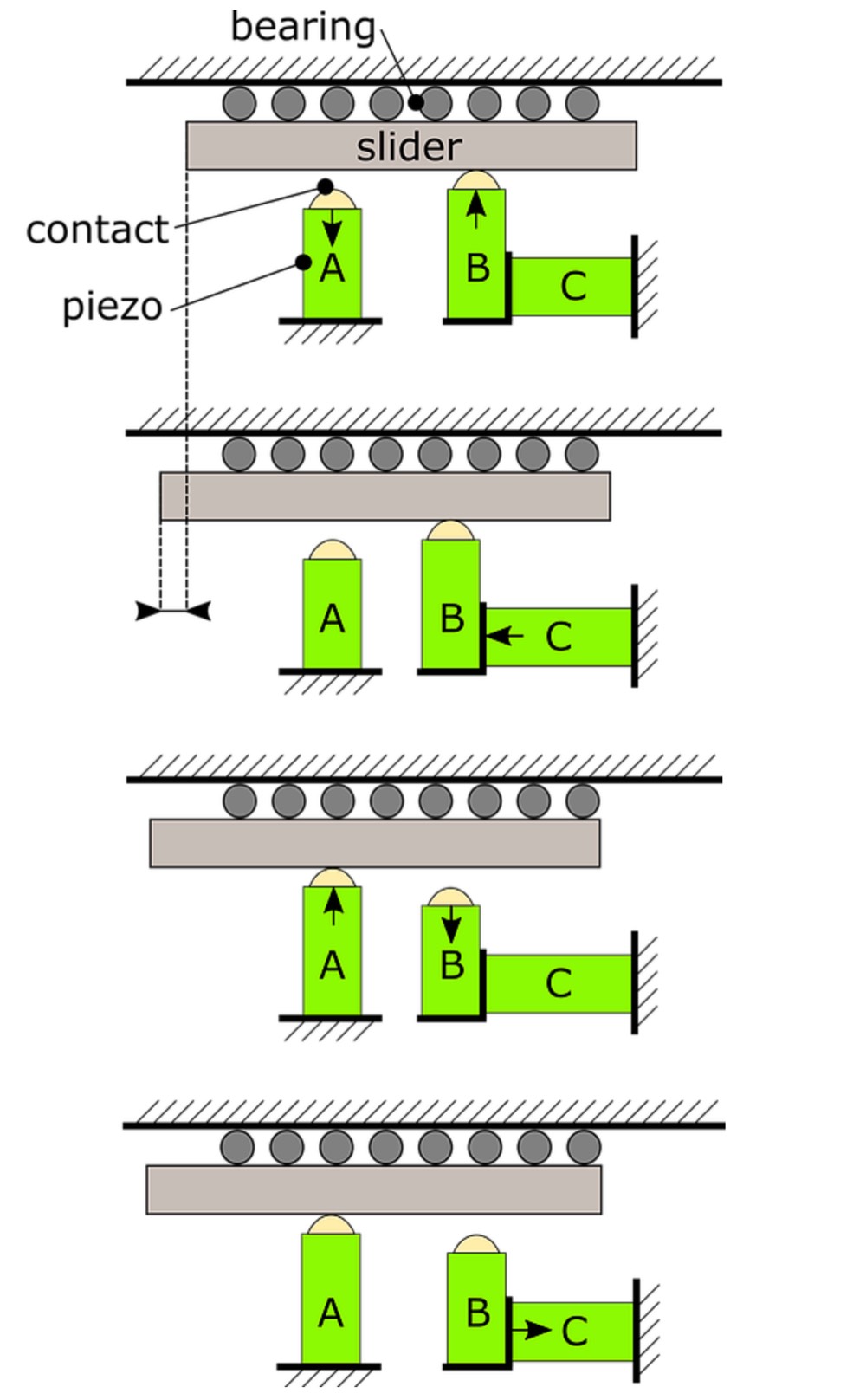
Piezo-walk stages use multiple piezo elements that clamp and step along a runner, similar to tiny legs. They can provide very fine resolution, strong holding force, and higher load capacity, but they are usually more complex to design and control.
Each approach balances travel range, speed, precision, and control complexity differently.
How are they classified by guidance (Direct-drive vs Guided)?
Linear piezo stages can also be classified by how motion is constrained and guided.
- Direct-drive stages generate motion directly through the piezo mechanism itself, often relying on frictional or inertial principles. These designs are compact and efficient but require careful mechanical design to ensure stable and repeatable motion.
- Guided piezo stages incorporate mechanical guidance elements, such as flexures or precision bearings, to constrain motion to a single linear axis. Guidance improves straightness, load handling, and repeatability, which is especially important in precision positioning and scanning applications.
In summary, linear piezo stages use the piezoelectric effect to create precise linear motion through different operating principles. By choosing the appropriate mechanism and guidance approach, designers can optimize performance for speed, travel range, precision, integration constraints, and the lifetime of a piezo actuator.
Performance Characteristics of Ultrasonic Micro Linear Piezo Stages
The performance of ultrasonic micro linear piezo stages is defined by a combination of precision, speed, stiffness, and force capability. Rather than relying on a single specification, these stages should be evaluated based on how multiple performance metrics interact within a compact design.
What is the difference between Resolution, Repeatability, and Accuracy?
These terms describe different aspects of positioning performance and are often confused.
- Resolution refers to the smallest incremental movement the stage can produce or detect. In nanopositioning linear stages, this can reach nanometer or even sub-nanometer levels.
- Repeatability describes how consistently the stage can return to the same position under the same conditions.
- Accuracy indicates how close the achieved position is to the commanded or true position, often influenced by calibration, feedback, and mechanical design.
A stage may offer extremely high resolution but still require feedback or calibration to achieve high absolute accuracy.

Speed and Travel Range
Ultrasonic piezo stages are well-suited for applications that require high motion speed combined with relatively long travel ranges.
- Speed determines how quickly the stage can reposition or perform scanning motions.
- Travel range defines the maximum linear displacement available.
In compact systems, speed and travel range must be considered together, as increasing one often affects the other.
Load Capacity and Push/Pull Force
Load-related specifications describe how much force the stage can handle while maintaining performance.
- Load capacity indicates the maximum mass or force the stage can move or support.
- Push and pull force describe how much linear force the stage can exert in each direction.
These values are influenced by the piezo motor design, frictional interfaces, and guidance mechanism. Exceeding rated loads can reduce positioning accuracy and lifetime.
Axial Stiffness
Axial stiffness describes how much the stage resists deformation when a load is applied along the direction of motion. High stiffness is critical for:
- Maintaining position under load
- Achieving stable nanopositioning
- Minimizing vibration sensitivity
In precision linear stages, higher stiffness generally leads to better dynamic behavior and positioning stability.
Holding Force without Power
Ultrasonic piezo stages can hold position when power is removed. Friction within the motor mechanism provides a natural holding force, improving stability and reducing heat generation during static operation.
Cable Length and Integration Constraints
In micro and mini linear piezo stages, integration details can significantly affect performance. Cable length, routing, and connector placement influence:
- Force acting on the moving axis
- Dynamic response
- Ease of system integration
In space-constrained systems, these practical considerations can be as important as core motion specifications.
Selecting a compact linear piezo stage requires evaluating a combination of precision, speed, force, stiffness, and integration constraints. Rather than focusing on a single specification, designers should consider how these performance metrics interact within the intended application.
Vacuum & UHV-Compatible Micro Linear Stages
Micro and mini linear piezo stages are well suited for use in vacuum and ultra-high-vacuum (UHV) environments, where conventional motorized motion systems often face limitations. In vacuum applications, factors such as lubrication, outgassing, heat generation, and long-term stability become critical. Piezo-based motion systems address many of these challenges through their solid-state actuation and compact mechanical design.

Why do Piezo Stages Work Well in Vacuum?
Piezoelectric stages generate motion without gears, rolling elements, or lubricated components. As a result, they can operate in vacuum environments without the need for oils or greases that would otherwise outgas or contaminate sensitive processes. Motion is generated directly through controlled deformation and frictional contact, which reduces particle generation and supports stable operation under reduced pressure. These characteristics make piezo stages suitable for high-vacuum and UHV systems used in research, inspection, and advanced manufacturing.
Materials and Construction Considerations
Vacuum-compatible micro linear stages are designed using materials selected for low outgassing and stable mechanical behavior. Common choices include ceramic components, technical polymers, and metal structures such as aluminum or stainless steel. Adhesives, cable insulation, and internal components are also selected to meet vacuum compatibility requirements. Material selection plays an important role not only in maintaining vacuum quality but also in ensuring thermal and mechanical stability over time.
Outgassing and Thermal Behavior
Outgassing and temperature stability are closely related concerns in vacuum systems. Piezo stages typically contain fewer materials that contribute to outgassing and do not rely on lubricants, which helps preserve vacuum conditions. In addition, piezoelectric actuation generates relatively little heat during operation. Reduced heat generation limits thermal drift and supports stable positioning, which is especially important in precision alignment and measurement tasks performed under vacuum.
Holding Position without Power
A practical advantage of piezo-based micro stages in vacuum environments is their ability to hold position without continuous power. When the drive signal is removed, friction within the piezo mechanism provides a natural holding force that resists external loads. This behavior reduces power consumption and heat generation while maintaining positional stability, which is particularly valuable in vacuum systems where thermal management is critical.
Vacuum and UHV-compatible micro linear piezo stages provide precise motion without lubrication, low outgassing, limited heat generation, and stable holding behavior. These characteristics make them a reliable choice for precision positioning tasks in vacuum environments where conventional motorized stages may be less suitable.
For extreme environments, view our Vacuum and Ultra-High Vacuum compatible compact Linear Piezo Stages.
Single-Axis vs Multi-Axis Piezo Stages (XY, XYZ, Z)
Micro and mini linear piezo stages are available in single-axis and multi-axis configurations. The choice between them depends on the required degrees of freedom, alignment accuracy, available space, and system complexity. Understanding these configurations helps determine the most suitable stage architecture for a given precision positioning task.
Single-Axis Piezo Stages
Single-axis piezo stages provide motion along one linear direction (X or Z). They are typically used when positioning or scanning is required along a single axis only.
Single-axis stages are often preferred when:
- Motion requirements are simple and well defined
- Maximum stiffness and positioning stability are needed
- Space constraints limit system complexity
- Independent control of each axis is desired
Because of their simpler mechanical structure, single-axis stages are easier to integrate and align within larger systems.
Multi-axis piezo stages (XY, XYZ, XZ)

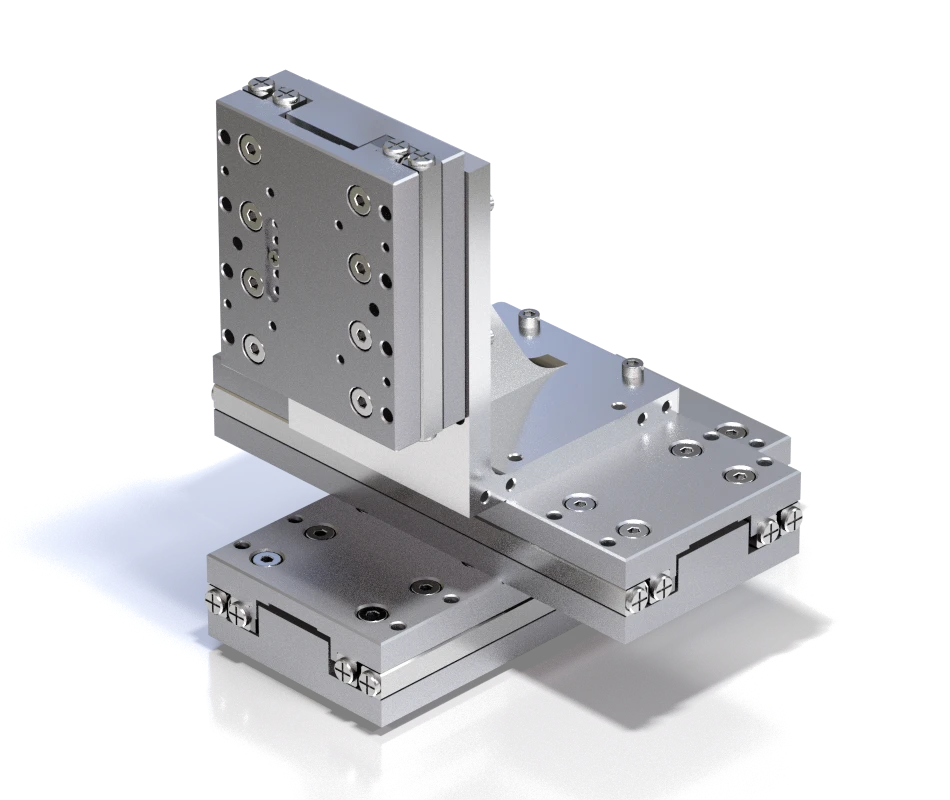
 Multi-axis piezo stages enable motion along two or more linear axes within a single assembly. Common configurations include XY, XZ, and XYZ stages.
Multi-axis designs are used when applications require:
- Planar positioning or scanning (XY)
- Combined vertical and horizontal motion (XZ or Z stages)
- Full three-dimensional positioning (XYZ)
These stages allow coordinated motion across axes, which is essential for tasks such as surface scanning, alignment, and multi-dimensional positioning.
Stacked vs Integrated Multi-Axis Designs
Multi-axis piezo stages can be implemented in two main ways:
- Stacked configurations, where individual single-axis stages are mounted on top of each other
- Integrated designs, where multiple axes are built into a single mechanical structure.
Stacked stages offer flexibility and modularity but increase overall height and moving mass. Integrated multi-axis stages are more compact and mechanically optimized but offer less flexibility for reconfiguration.
Alignment and Straightness Considerations
As the number of motion axes increases, alignment accuracy becomes more critical. Multi-axis stages must maintain:
- Straightness of motion along each axis
- Orthogonality between axes
- Consistent performance under varying loads
Mechanical guidance, stiffness, and careful system integration play a key role in achieving reliable multi-axis performance in compact piezo stage assemblies.
Single-axis piezo stages offer simplicity, high stiffness, and ease of integration, while multi-axis stages provide greater positioning flexibility at the cost of increased mechanical and control complexity. Selecting the appropriate configuration requires balancing motion requirements, space constraints, and alignment performance.
What are the Applications of Micro / Mini Linear Piezo Stages?
Micro and mini linear piezo stages are used in applications where precise, fast, and stable linear motion must be achieved within a limited space. Their compact size and high positioning performance make them suitable for both scientific instruments and industrial systems that require accurate positioning at the micrometer or nanometer scale.
Below are some of the most common application areas.
Semiconductor and Photonics:
In semiconductor and photonics systems, micro linear piezo stages are used for:
- Fine alignment of optical components
- Wafer or substrate positioning
- Beam steering and coupling tasks
These applications often demand high repeatability, fast response, and stable positioning under tight spatial constraints.
Microscopy and Imaging:
Microscopy systems rely on precise and repeatable motion for imaging, scanning, and focus adjustment. Micro piezo stages are commonly used for:
- Sample scanning
- Objective or sample positioning
- Fine focus control
High resolution, smooth motion, and low drift are especially important in imaging applications.
Laboratory and Analytical Automation:
Laboratory instruments and analytical devices often require compact motion solutions that can be easily integrated. Typical uses include:
- Sample handling and positioning
- Micro-adjustments within measurement systems
- Automated alignment tasks
Compact size and precise motion make micro piezo stages well suited for these space-limited environments.
Metrology and Inspection:
In metrology and precision inspection systems, linear piezo stages enable:
- High-resolution scanning
- Accurate positioning of sensors or probes
- Repeatable measurement sequences
Their ability to produce controlled, repeatable motion supports reliable measurement results.
Medical and Life Science Instruments:
In medical and life science equipment, micro linear piezo stages are used where precise motion is required without introducing significant vibration or heat. Examples include:
- Positioning of optical or sensing components
- Fine adjustment mechanisms in diagnostic instruments
- Compact motion modules within analytical devices
Reliability and stable long-term performance are key considerations in these applications.
Design, Integration & Trade-Offs for OEM Micro Piezo Stages
Micro and mini linear piezo stages are typically integrated as functional building blocks within larger instruments rather than used as standalone positioning systems. For OEM applications, successful use of a piezo stage depends as much on system integration as on motion performance. Mechanical layout, electrical interfaces, control strategy, and long-term reliability all influence whether a given stage is suitable for a specific design.
Mechanical and System Integration
In compact OEM systems, available space and mechanical layout often impose strict constraints. Micro piezo stages must fit within limited envelopes while maintaining precise alignment with surrounding components. Mounting interfaces, load direction, and stiffness requirements all affect positioning stability and overall system performance. Because these stages are usually part of a tightly integrated assembly, integration considerations frequently guide the selection process as much as motion specifications such as speed or resolution.
Cable Routing and its Influence on Performance
At small scales, cables are not merely an electrical detail. Cable length, stiffness, and routing can introduce mechanical forces that influence motion behavior, especially in high-precision or high-speed applications. Poorly managed cabling may affect dynamic response, limit achievable resolution, or introduce unwanted drift. For this reason, cable management is an important part of system-level design when integrating micro linear piezo stages.
Control, Feedback, and System Behavior
Piezo stages require dedicated controllers to generate the appropriate drive signals. Depending on the application, systems may operate in open-loop mode, relying on the inherent repeatability of the stage, or in closed-loop mode using position feedback such as encoders or sensors. Closed-loop control improves absolute positioning accuracy and compensates for external influences, but it also increases system complexity and cost. The choice between open-loop and closed-loop operation depends on whether repeatability or absolute accuracy is the dominant requirement.
Cost and Complexity Trade-offs
Compared to conventional motorized stages, piezo-based micro stages typically involve higher upfront cost and more specialized control electronics. However, they also eliminate components such as gears, screws, and lubrication, which can reduce mechanical wear and maintenance over time.
Designers must balance:
- Performance requirements
- System complexity
- Budget constraints
- Long-term reliability
When a Piezo Stage may not be the Best Choice?
Despite their advantages, micro linear piezo stages are not ideal for every application. They may be less suitable when:
- Very long travel ranges are required
- High continuous forces are needed
- Cost is the dominant selection criterion
In such cases, alternative motion technologies may be more appropriate.
For OEM applications, selecting a micro linear piezo stage involves more than choosing motion specifications. Integration constraints, cable management, control strategy, cost, and long-term reliability all play a role in determining whether a piezo-based solution is the right fit for the system.
Summary
Micro and mini linear piezo stages enable precise linear motion in applications where space, speed, and positioning stability are critical. By using piezoelectric actuation, these stages achieve high resolution, fast response, and reliable performance within compact mechanical envelopes. Different operating principles and configurations allow them to be adapted to a wide range of precision positioning tasks.
Selecting the right micro linear piezo stage requires understanding how motion principles, performance characteristics, environmental constraints, and integration considerations interact. Factors such as speed, travel range, stiffness, load handling, vacuum compatibility, and system-level design constraints should be evaluated together rather than in isolation.
For readers looking to explore this topic further, the next logical steps include:
- Reviewing specific linear piezo stage solutions and their specifications
- Exploring application-focused pages relevant to your industry or use case
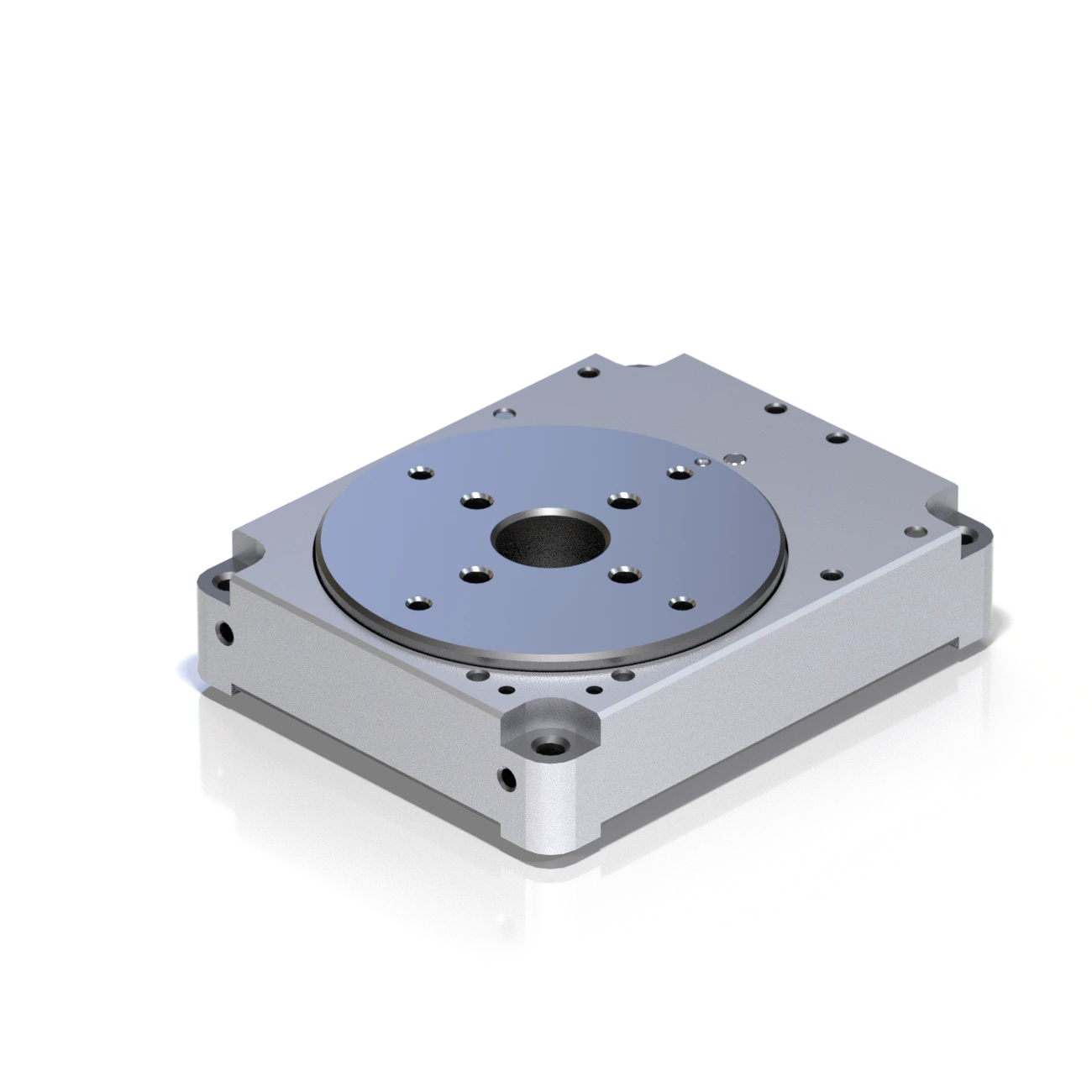
- Comparing linear and rotary piezo stages to determine the most suitable motion architecture
This structured approach helps ensure that the chosen motion solution aligns with both technical requirements and system-level constraints.
Explore Ultrasonic Piezo Stages and Actuators
Ultrasonic piezo technology sits at the core of Xeryon’s complete motion portfolio, enabling compact, high-performance systems used in precision instruments worldwide.